Stroke Recovery at Home with Athome Kenya’s Care Team
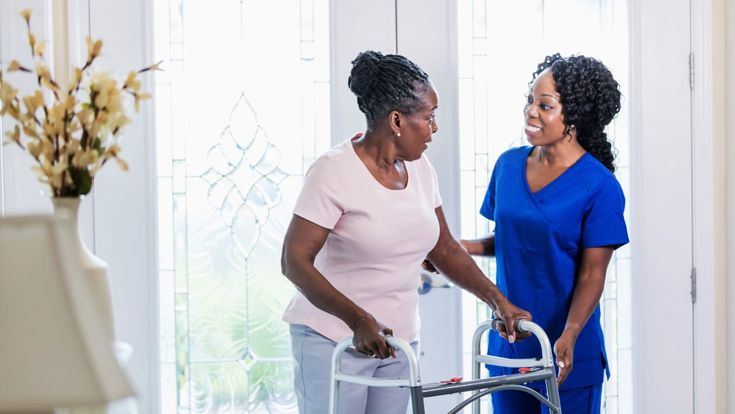
A stroke occurs when the blood supply to a part of the brain is disrupted, leading to brain cell damage. There are two primary types of strokes: ischemic and hemorrhagic. Ischemic strokes account for about 87% of all cases and result from a blockage that prevents blood from reaching the brain. In contrast, hemorrhagic strokes occur when a blood vessel ruptures, leading to bleeding within or around the brain. Understanding the type of stroke is essential, as it significantly influences the recovery process and rehabilitation strategies.
Stroke recovery can be a challenging journey for many survivors, who may face a myriad of physical, emotional, and cognitive challenges. Physical impairments may include weakness on one side of the body, difficulty with coordination, or challenges with speech and swallowing. Additionally, emotional changes such as depression or frustration are common, as individuals may grapple with the realization of their altered capabilities. Cognitive challenges, including difficulties with memory, attention, or problem-solving, can further complicate the recovery process.
Timely and proper rehabilitation is crucial for optimal recovery following a stroke. Rehabilitation can take place in various settings, differing significantly between inpatient and outpatient care. Inpatient rehabilitation typically occurs in a hospital or specialized facility, providing intensive therapy under the supervision of various healthcare professionals. This includes neurologists, physical therapists, occupational therapists, and speech-language pathologists who work collaboratively to develop a comprehensive rehabilitation plan tailored to individual needs.
On the other hand, outpatient care allows stroke survivors to receive ongoing rehabilitation services while living at home. This setting can offer greater flexibility and comfort, allowing individuals to apply skills learned in therapy to their daily lives. Regardless of the care type, the involvement of a multidisciplinary team is essential in addressing the diverse needs of stroke survivors, which can significantly enhance the overall recovery process.
The Role of Athome Kenya’s Care Team
The journey of recovering from a stroke can be challenging, requiring comprehensive support and expertise. Athome Kenya’s dedicated care team plays a pivotal role in facilitating effective stroke recovery at home. Comprising skilled nurses, compassionate caregivers, and experienced physiotherapists, this team is equipped to address the diverse needs of stroke patients.
One of the core services offered by Athome Kenya is personalized care planning. Each stroke survivor receives a thorough assessment that informs a tailored care plan, designed specifically around their recovery goals and medical needs. This approach ensures that patients benefit from a holistic recovery experience, which is crucial for their overall well-being.
Nurses within the team bring clinical expertise to the table, managing medications, monitoring vital signs, and providing wound care when necessary. Their role extends beyond clinical tasks; they also offer emotional support and education to patients and families, empowering them to understand the recovery process. Alongside nurses, caregivers play an essential part in day-to-day living, assisting with activities of daily living (ADLs) such as bathing, dressing, and meal preparation. Their support enhances the dignity and independence of stroke survivors, thereby contributing to a more positive recovery experience.
Furthermore, physiotherapists are vital in enhancing physical rehabilitation through targeted exercises and mobility training. They help patients regain strength and coordination, setting achievable physical targets. This professional support is tailored according to each individual’s progress and capabilities, allowing for adjustments in therapy as necessary.
In essence, the collaboration of these healthcare professionals is key in optimizing the recovery process for stroke patients, ensuring they receive comprehensive care in the comfort of their home while promoting independence and improving quality of life.
Benefits of In-Home Stroke Recovery Support
Recovering from a stroke can be a daunting journey, and many individuals find that receiving support at home offers substantial benefits. One primary advantage of in-home stroke recovery support is the convenience and comfort it provides. Patients are able to engage in their recovery process in a familiar setting, which can alleviate the stress and anxiety often associated with clinical environments. Home therapy eliminates the need for travel, thereby saving time and energy that can be better utilized for rehabilitation.
Furthermore, the emotional and psychological benefits of being in a known environment cannot be overstated. Familiar surroundings often promote a sense of security and belonging, which is essential during recovery. This can lead to increased motivation and willingness to participate in prescribed therapy routines. In-home recovery support also allows family members to remain actively engaged in the patient’s rehabilitation, which can enhance emotional well-being and foster stronger familial connections.
In addition, tailored in-home care can significantly enhance the overall recovery process. One-on-one attention from healthcare providers enables the creation of customized exercise regimens that cater specifically to the needs and progress of the individual. This personalized approach ensures that recovery activities are not only more effective but also more engaging for the patient. Furthermore, caregivers can monitor progress closely and make adjustments to therapies as needed, enhancing the likelihood of successful outcomes.
Overall, in-home stroke recovery support combines convenience, emotional well-being, and personalized care. This holistic approach not only accelerates physical recovery but also contributes positively to the patient’s mental and emotional state, setting the foundation for a comprehensive rehabilitation journey.
Success Stories and Testimonials
Stroke recovery can be a challenging journey, yet countless individuals have found hope and healing through Athome Kenya’s dedicated care team. The success stories shared by these stroke survivors highlight the invaluable support provided to them during their recovery at home. Many have experienced significant improvements in their physical abilities and overall quality of life, thanks to tailored rehabilitation programs and personalized care.
One notable success is that of James, a 58-year-old who suffered a debilitating stroke that impaired his mobility and speech. After engaging with Athome Kenya, James received a customized rehabilitation plan that included physiotherapy, occupational therapy, and speech therapy, all provided within the comfort of his home. Over several months, he regained his ability to walk independently and communicate more effectively. James expressed gratitude, noting that the care team not only assisted him physically but also provided emotional support, fostering a positive environment crucial for his recovery.
These story illustrate how home-based stroke recovery support can be profoundly effective for individuals on their path to healing. Athome Kenya’s care team exemplifies dedication, fostering resilience among stroke survivors and encouraging them to achieve milestones in their recovery journey.

Head office
Madonna House,
Westands Road
Contact
Info@athomekenya.com
+254 705 320 618